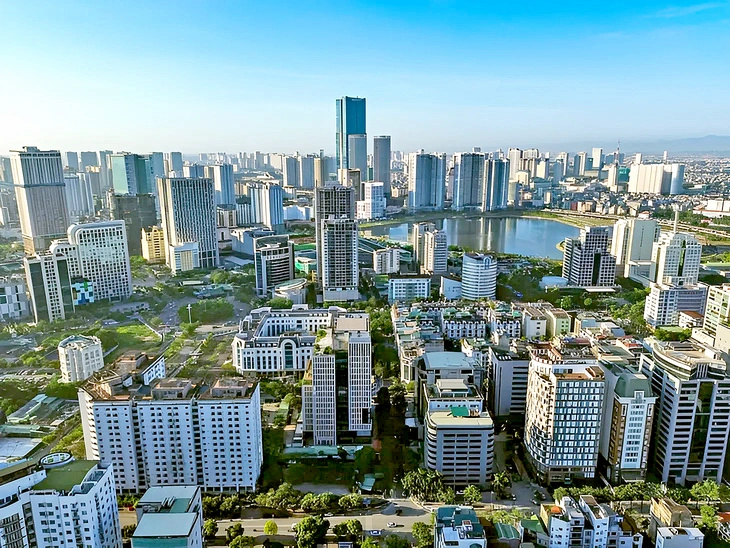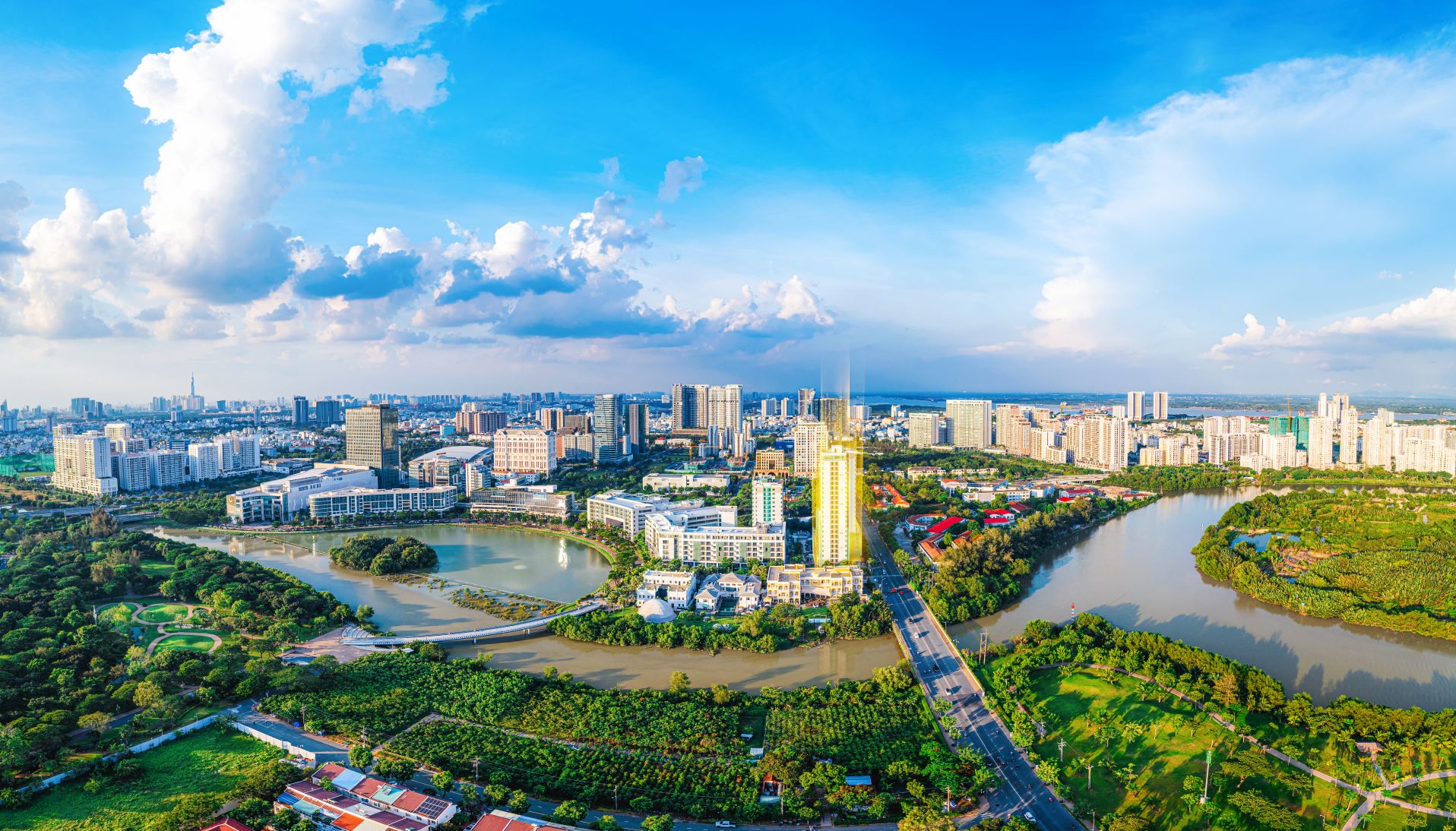
As Vietnam continues its rapid urban and economic expansion, Ho Chi Minh City (HCMC) and its six satellite provinces — Long An, Tay Ninh, Binh Duong, Ba Ria–Vung Tau, Dong Nai, and Binh Phuoc — are emerging as powerful growth engines for real estate and investment.
The ongoing expansion of regional transport infrastructure, coupled with decentralization of population and industrial development, has transformed these surrounding localities into high-potential markets for developers, investors, and occupiers alike.
1. Accelerating Infrastructure and Regional Connectivity
Infrastructure has become the backbone of HCMC’s multi-centered urban development.
The regional transport network is being upgraded through expressways, metro extensions, and ring roads, significantly improving inter-provincial connectivity and driving value appreciation in surrounding markets.
Key transport projects
-
Ring Road 4 – broke ground in February 2026, creating a new industrial, urban, and service belt around the southern region.
-
Ring Road 3 – under construction, expected to enhance connectivity between HCMC, Binh Duong, and Dong Nai.
-
Metro Line 1 Extension (Ben Thanh – Suoi Tien) – planned to reach Binh Duong and Dong Nai, easing congestion and shortening travel times.
-
Major expressways:
-
HCMC–Moc Bai (to open in 2026)
-
HCMC–Thu Dau Mot–Chon Thanh (starts early 2025)
-
Bien Hoa–Vung Tau (completion expected 2027)
-
Ben Luc–Long Thanh and Ben Luc–Trung Luong–My Thuan corridors linking southern industrial hubs.
-
These projects underpin a wave of industrial decentralization and urban expansion, anchoring real estate value growth along new transport corridors.
2. Infrastructure Quality and Public Investment Efficiency
According to the 2024 PCI Infrastructure Index, the southern key provinces rank above the national median (59.23) in infrastructure quality, with top performers showing outstanding public investment disbursement rates:
| Province | Disbursement Rate | Infrastructure Quality Highlights |
|---|---|---|
| Long An | 96% | Efficient capital utilization, expanding road networks |
| Ba Ria–Vung Tau | 90% | Strong industrial base and logistics infrastructure |
| Dong Nai | 76% | Strategic connectivity to ports and airports |
| Binh Phuoc | 64% | Moderate progress amid land clearance issues |
| Binh Duong | 39% | Lower rate due to land compensation challenges |
These figures highlight Long An, Ba Ria–Vung Tau, and Dong Nai as the most efficient users of public capital, setting a strong foundation for sustained infrastructure-led real estate growth.
3. Labor Migration and Industrial Shifts: Binh Duong Takes the Lead
The satellite provinces are also absorbing population and employment shifts as HCMC’s urban core becomes increasingly dense and costly.
In 2024, Binh Duong emerged as the top labor magnet with a net migration rate of 20.7% and employment growth of 3.52%, demonstrating its competitiveness in attracting skilled labor and new residents.
Other provinces with positive migration and employment trends include Dong Nai and Long An, both showing strong job creation and FDI inflows.
Foreign Direct Investment (FDI) 2024 Performance
| Province | Registered FDI (USD bn) | Growth vs. 2023 | Trend |
|---|---|---|---|
| Binh Duong | 3.04 | +20% | Top FDI destination |
| Long An | 1.88 | +17% | Expanding industrial base |
| Dong Nai | 1.95 | +8% | Consistent manufacturing hub |
| Ba Ria–Vung Tau | 1.71 | -10% | Transitioning toward tourism and port logistics |
| HCMC | 0.89 | -11% | Central business hub, limited land availability |
| Tay Ninh | 0.68 | -12% | Smaller industrial base |
| Binh Phuoc | 0.59 | -49% | Lagging due to infrastructure delays |
As land and housing costs rise within HCMC, this labor and capital shift is expected to further decentralize population and stimulate residential and industrial development in nearby provinces.
4. Expanding Land Supply and Competitive Pricing
Limited land availability in central HCMC has pushed both developers and investors toward its satellite markets.
According to DKRA Q2/2025 data, land supply and housing distribution have become more regionally diversified:
| Segment | Long An | Binh Duong | Dong Nai | HCMC | Ba Ria–Vung Tau |
|---|---|---|---|---|---|
| Land Lot Supply | 33% | 26% | 22% | 12% | 7% |
| Apartment Supply | 12.6% | 44.3% | 22% | – | – |
| Townhouse/Villa Supply | 91.3% | 6% | 2.7% | – | – |
In terms of average primary prices (VAT included):
-
Apartments:
-
HCMC: USD 3,100/sqm
-
Binh Duong: 1,800/sqm
-
Dong Nai: 1,400/sqm
-
Long An: 1,300/sqm
-
Ba Ria–Vung Tau: 2,000/sqm
-
This reflects a price gap of 1.6–2.4 times compared to HCMC, offering significant value for investors seeking long-term growth and affordability.
Real estate interest levels in Q3/2024 also surged notably across these provinces:
-
Binh Duong: +32% y-o-y
-
Ba Ria–Vung Tau: +22%
-
Dong Nai: +18%
-
Long An: +17%
These data underscore rising end-user and investor confidence in satellite markets as viable alternatives to HCMC’s saturated core.
5. Notable Projects and Development Pipeline
Binh Duong – 16 projects covering 419.5 ha
Key developments: Ecolakes My Phuoc, Sun Casa Central, Sycamore, Midori Park, Takara Residence, The Emerald 68, Bcons City.
Dong Nai – 9 projects covering 2,442.8 ha
Key developments: Aqua City (1,000 ha), Swan Park (941.5 ha), Swan Bay Dai Phuoc (200 ha), Izumi City (170 ha), Fiato Airport City, among others.
Long An – 9 projects covering 1,485.7 ha
Key developments: Waterpoint (355 ha), Eco Retreat (220 ha), Vinhomes Green City (197 ha), The Sol City, and Agora City.
Ba Ria–Vung Tau – 13 projects spanning 2,473.3 ha
Highlighted projects: Gold Coast Vung Tau (1,300 ha), Novaworld Ho Tram (1,000 ha), Blanca City, Sanctuary Ho Tram, Phu My Estates, Five Star Poseidon.
Collectively, these projects underscore strong developer confidence in regional demand and infrastructure-driven growth.
6. Post-Merger Outlook: A Unified Southern Economic Powerhouse
Following the July 2025 provincial mergers, Vietnam has abolished the district level of governance, transitioning to a streamlined two-tier administrative system.
HCMC’s merger with Binh Duong and Ba Ria–Vung Tau has officially formed a mega-urban region that now contributes 24% of Vietnam’s GDP, with projections to double by 2045.
This integration, coupled with major infrastructure advancements, has accelerated population relocation and real estate price appreciation in adjacent areas.
In particular, Binh Duong’s southern zone bordering Thu Duc City recorded a 49% surge in property prices since the merger — a clear indicator of the market’s transformation.
7. The Emerging Greater HCMC Corridor
The new Greater HCMC Region, encompassing Ho Chi Minh City, Binh Duong, Ba Ria–Vung Tau, Dong Nai, Long An, Tay Ninh, and Binh Phuoc, is expected to become Southeast Asia’s next urban-industrial corridor.
With synchronized planning, inter-provincial transport, and large-scale urban projects, the area is poised to lead Vietnam’s real estate, industrial, and logistics sectors into the next phase of sustainable growth.
Conclusion
Ho Chi Minh City’s satellite provinces are no longer peripheral zones — they are strategic urban and industrial growth poles central to Vietnam’s future development.
With robust infrastructure, competitive pricing, rising FDI, and ongoing administrative reform, these provinces are redefining investment opportunities and laying the foundation for a truly multi-centered metropolitan Vietnam.
Source: Avison Young Vietnam – HCMC Satellite Cities Report (2025)